How to Choose a Home Security System in Victoria, TX (2026 Guide)
The best home security system has a licensed installer, the right monitoring, a cellular link, fair contract terms, and local support after install.
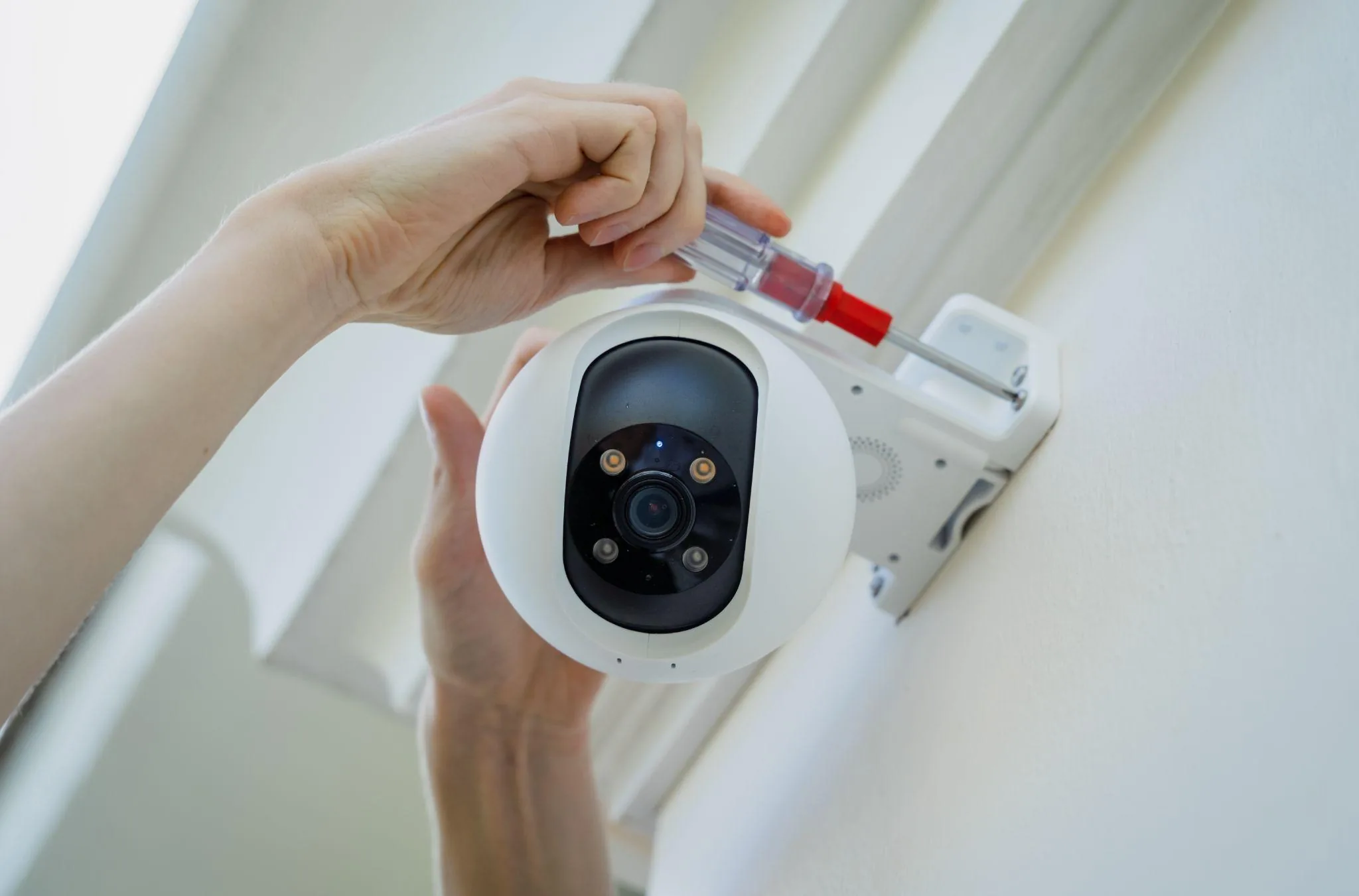
Most people shop for a home security system the wrong way. They compare camera specs and monthly prices, then sign a three-year deal with a company that has no one within 100 miles. In Victoria, the questions that matter more are who installs it, who answers when it goes off, and whether it still works after a storm knocks out power.
This guide walks through how to compare systems and installers in the Crossroads region. It covers Texas licensing rules, 2026 cost ranges, contract traps, and the questions to ask before you sign.
Key takeaways
- Only hire a company with a Texas DPS license, and check it yourself on the state's TOPS lookup.
- Pick cellular monitoring over landline. It keeps working if phone lines are cut or go down.
- Read the contract for length, auto-renewal, and cancellation terms before you sign.
- A local installer with a Victoria office can fix problems in days, not weeks.
What should you look for in a home security system?
A good home security system uses a licensed installer, cellular monitoring, battery backup, an app you'll use, and a contract you can live with.
The equipment matters less than most people think. Door sensors and motion detectors from major brands all do the same basic job. The real differences are in how the system is installed, how it's monitored, and how it's supported after the install.
1. Is the company licensed in Texas?
Texas requires alarm companies to hold a license from the Department of Public Safety, and each installer must be registered with DPS.
Chapter 1702 of the Texas Occupations Code covers any business that sells, installs, services, monitors, or responds to an alarm system. The company holds the license. Each technician who comes to your home must also be registered, which includes a background check.
Checking takes two minutes. Ask for the license number, then look it up on the DPS Texas Online Private Security (TOPS) site. A legitimate company will give you the number without hesitation. Many post it on their website.
2. Professional monitoring or self-monitoring?
Professional monitoring sends alerts to a staffed center that can call police, while self-monitoring sends alerts only to your phone.
Self-monitoring costs less, often under $20 a month. But it depends on you seeing the alert and acting on it. If you're asleep, driving, or out of the country, nobody responds.
Professional monitoring usually runs $20 to $50 a month. A trained operator gets the signal, tries to reach you, and dispatches help if needed. For smoke and fire sensors, professional monitoring is worth paying for. A fire alert that sits unread on your phone doesn't help anyone.
3. Cellular, landline, or internet connection?
Cellular monitoring is the most reliable choice for most homes because it works without a landline and keeps running on battery backup.
Older systems talk to the monitoring center over a phone line. That line can be cut from outside the house, and many Victoria homes don't have one anymore. Internet-only systems go down whenever your Wi-Fi or router does.
A cellular communicator sends signals over the mobile network instead. Ask whether the system uses cellular as the main path and whether the panel has a backup battery. After Hurricane Harvey in 2017, parts of Victoria went without power for days. A system with a charged backup battery and a cellular link keeps reporting through outages like that.
4. Does the app make daily use easy?
The best home security system is the one your family uses every day, which usually means one simple app for the alarm, cameras, and locks.
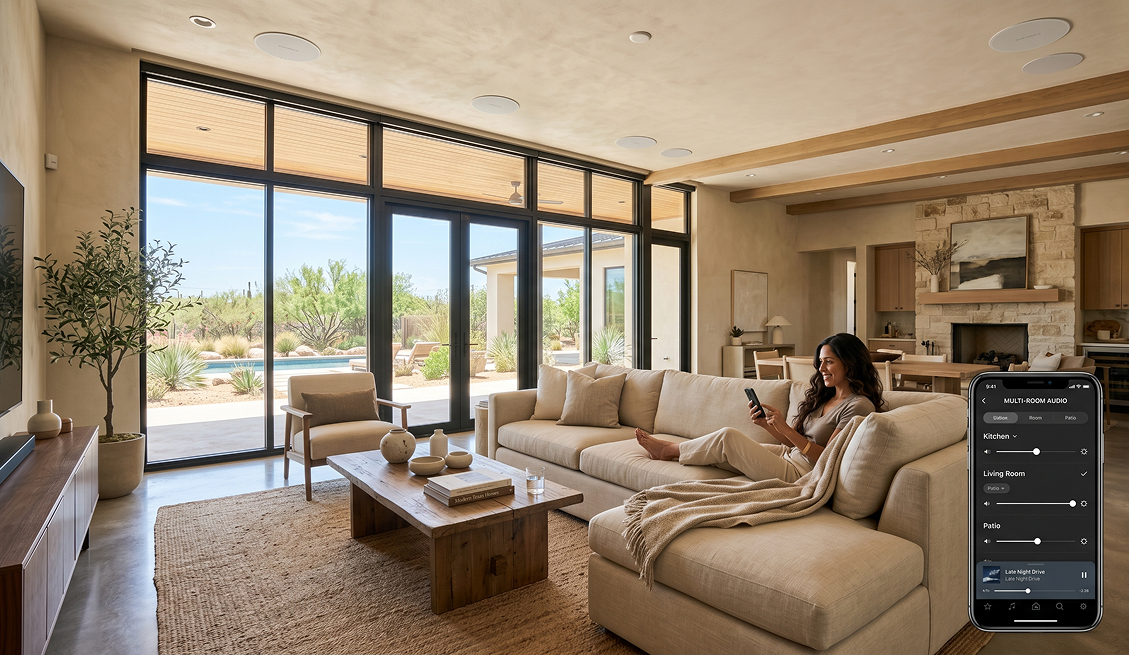
Alarm.com is the platform used by several Victoria installers. It lets you arm and disarm from your phone, get alerts, view cameras, and lock doors. Before you buy, ask the installer to show you the app on a real system.
If you already have smart home gear, ask how the security system connects to it. Some systems can turn on the lights when the alarm trips or lock the doors when you arm at night.
5. What does the contract actually say?
Read any home security contract for its length, auto-renewal clause, cancellation fee, and what happens if you move before it ends.
Many national companies offer free equipment or free installation in exchange for a 36 to 60 month monitoring contract. That can be a fair deal. It can also lock you into years of payments for a system you've outgrown.
Texas law gives you the right to a written contract that shows your fees. If the alarm company sells your account to another company, it must notify you in writing within seven days. Ask whether the company owns its monitoring accounts or plans to sell them.
6. Who handles service after the install?
Local service matters because a failed sensor or a panel beeping at 2 a.m. needs a technician who can reach your home fast.
Some national brands don't keep technicians in Victoria, so a service call can take longer to schedule. A company with a Victoria office can usually get to you faster. Ask how service calls work, what they cost, and whether any free visits come with the install.
Questions to ask before you sign
The right questions reveal a company's licensing, monitoring, contract terms, and service habits before you commit to anything.
- What is your Texas DPS license number?
- Will the technician who comes to my home be DPS registered?
- Who monitors the system, and where is the monitoring center?
- Does the system use cellular, landline, or internet to reach the monitoring center?
- How long does the backup battery last during a power outage?
- How long is the contract, and does it renew on its own?
- What does it cost to cancel early or move the system to a new home?
- Do I own the equipment, or do you?
- What does a service call cost after the install?
- Can I see the app working on a real system before I buy?
Red flags to avoid
Walk away from any company that won't share its license number, pushes you to sign that day, or buries fees in the fine print.
- Door-to-door pressure. Be careful with alarm sales at your front door. If a salesperson won't leave a written quote for you to review, don't sign. Texas gives three days to cancel many door-to-door sales under Chapter 601 of the Business and Commerce Code.
- No license number. Operating without a DPS license is illegal. A company that dodges the question isn't worth the risk.
- "Free" systems with long contracts. Free equipment usually means a longer contract and higher monthly fees. Add up the full cost over the whole term.
- Scare tactics. A good installer walks your home and explains the risks. A bad one quotes crime stories to rush the sale.
- No local presence. If the only contact is an 800 number, ask who shows up when a sensor fails.
What does a home security system cost in 2026?
A professionally installed home security system averages about $746 to install, with monitoring usually adding $20 to $50 a month.
| Item | Typical Cost | What Affects the Price |
|---|---|---|
| Installation | $300 to $1,236 (avg. $746) | Home size, wired vs. wireless, number of sensors |
| Basic equipment kit | $200 to $400 | Brand, panel type, touchscreen vs. keypad |
| Door and window sensors | $25 to $300 each | Wired vs. wireless, sensor type |
| Glass-break sensors | $100 to $200 each | Coverage area |
| Security cameras | Under $200 each on average | Resolution, indoor vs. outdoor, wired power |
| Smart lock | About $150 | Brand, keypad vs. app only |
| Professional monitoring | $20 to $50 a month | Alarm only vs. alarm plus video |
| Self-monitoring | Under $20 a month | Cloud video storage plan |
| Activation fee | $0 to $230 | Company policy |
Cost figures come from Angi's July 2026 data and Forbes Home's 2026 pricing review.
There's an upside to the monthly fee. Angi reports that some insurers give up to a 20% discount on homeowners insurance for monitored systems. Call your agent and ask what your policy offers before you buy.
Who installs home security systems in Victoria, TX?
Several Victoria companies hold Texas DPS licenses and offer monitored home security systems, including AV Interiors, Security One, and VCS Companies.
Each of the companies below lists its Texas license numbers online and has a local office. They differ most in what they focus on.
AV Interiors
AV Interiors is a Victoria integrator that installs home security as part of a full smart home system. It holds Texas Security License B24094901 and Fire Alarm License ACR-3110364. Alarms run on Alarm.com with 24/7 professional monitoring. The same app controls cameras, smart locks, video doorbells, and smoke detectors.
The company stands out on support. For the first six months after install, the team will return to your home as many times as needed at no charge. After that, you get a free yearly system checkup for as long as you own it. The team includes CEDIA-certified staff, and the company reports more than 500 completed projects across about 29 Crossroads towns.
The showroom on North Laurent Street lets you see sensors, cameras, and smart locks working before you buy. It's a good fit if you want security tied into lighting, climate, or audio. If you only want a basic alarm, a simpler provider may cost less.
Security One (formerly Triple D Security)
Security One runs the former Triple D Security office on Leary Lane. The Victoria team has more than 30 years of local alarm experience, and its parent company dates to 1981. It uses Alarm.com and offers medical alert pendants and cellular alarm options. Technicians are on call 24/7. License numbers are B03192 and ACR1165.
VCS Companies
VCS Companies has been family owned for more than 40 years. It handles home security, fire systems, and Ring video doorbells, along with business phones and radios. It lists Texas licenses B09205, B18782, ACR2008, and ECR1704936.
Frequently asked questions
How much does a home security system cost in Victoria, TX?
Most home security systems cost $300 to $1,236 to install, with an average of $746, plus about $20 to $50 a month for professional monitoring.
Your price depends on the number of sensors and cameras, whether you add smart locks, and the monitoring plan. Ask for an itemized written quote.
Is a wired or wireless home security system better?
Wireless systems are faster to install and work well in finished homes, while wired systems suit new builds and need fewer battery changes.
Most modern systems mix the two. New construction in Victoria is the best time to pre-wire sensors and cameras before the drywall goes up.
Do I need a permit for a home alarm in Victoria?
Many Texas cities require an alarm permit, which usually costs $25 to $100, so check with the City of Victoria or your county before activation.
Rules can differ inside and outside city limits. A local installer should know what applies to your address and can help with the paperwork.
Can I install a home security system myself?
Yes, DIY systems are legal for your own home, but a professional install brings a licensed technician, proper sensor placement, and support after the install.
DIY works well for small apartments or renters. Larger homes, fire sensors, and systems tied to smart home controls are better left to a licensed installer.
Does a home security system lower my insurance?
Many insurers discount homeowners premiums for monitored systems, and Angi reports discounts of up to 20% depending on the policy.
Discounts usually apply only to professionally monitored systems. Ask your insurer for a certificate form your installer can fill out.
Choosing the right home security system for your Victoria home
The right home security system comes from a licensed local installer, uses cellular monitoring with battery backup, and comes with a contract you understand.
Start with the license number and the contract terms. Then look at the app and the support plan. A system that fits your home and your habits will protect it better than the one with the longest feature list.
If you want your alarm, cameras, and locks in one app, visit the AV Interiors showroom at 2201 N. Laurent St., Suite 200, in Victoria. Call us today at (361) 314-3218 to book a walkthrough.